
You’ve probably been there — standing in the fitness aisle or scrolling through Amazon, staring at a wall of rollers in different materials, densities, and price points, wondering which one actually deserves a spot in your gym bag. The cork roller vs foam roller debate isn’t just about personal preference. It’s about understanding how each material behaves under your body weight, how long it’ll last, and whether it aligns with how you train and recover.
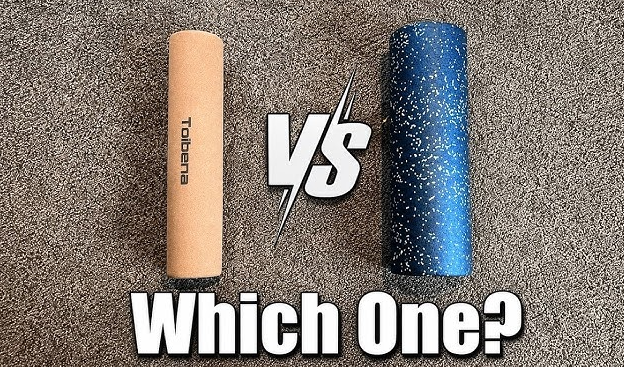
Both tools serve the same fundamental purpose: self-myofascial release (SMR), a technique that applies targeted pressure to muscle tissue to reduce tension, improve flexibility, and speed up recovery. But the material your roller is made from changes everything — the pressure you feel, the durability you get, and even the environmental footprint you leave behind.
Let’s break it down so you can make a confident call.
What Are Cork Rollers and Foam Rollers?
A cork roller is a cylindrical recovery tool made from natural cork — the same material harvested from the bark of cork oak trees (Quercus suber). It’s firm, naturally textured, and increasingly popular among yogis and athletes who want a plastic-free alternative.
A foam roller, on the other hand, is the more familiar option you’ll find in nearly every gym. It’s typically made from synthetic foams like EVA (ethylene-vinyl acetate), EPP (expanded polypropylene), or PE (polyethylene). These come in a range of densities — from soft and forgiving to rock-hard — and with various surface textures from smooth to heavily grid-patterned.
The global foam roller market was valued at approximately USD 1.03 billion in 2024 and is projected to grow to USD 2.31 billion by 2032 at a CAGR of 10.62%, according to 360iResearch. That growth tells you something: people are investing in recovery tools like never before, and material choice is becoming a bigger part of the conversation.
Material and Construction: What You’re Actually Rolling On
Cork: Nature’s Engineering Marvel
Here’s something that might surprise you — a single cubic centimeter of cork contains roughly 40 million air-filled hexagonal cells. That honeycomb structure is what gives cork its unique blend of firmness and subtle give. It’s dense enough to deliver deep, targeted pressure, yet compressible enough to contour slightly to your body without collapsing.
Cork also contains a waxy substance called suberin, which naturally repels moisture and resists bacteria and fungi. This is a big deal for a tool you’ll be sweating on. No chemical treatments required — the antimicrobial properties are built into the material itself.
The environmental story is equally compelling. Cork is harvested by hand-stripping the bark of cork oak trees every 9 to 12 years. The tree isn’t cut down — it regenerates its bark fully and actually absorbs up to five times more CO₂ during regrowth than in its dormant phase. These trees can live 200 to 300 years, meaning one tree can supply cork for generations.
Foam: Versatile but Synthetic
Foam rollers are typically made from one of three materials:
- EVA (Ethylene-Vinyl Acetate): The most common. Good durability, moderate firmness, available in many densities. EPP accounts for about 68% of the high-density foam roller market as of 2025, according to market research from pmarketresearch.
- EPP (Expanded Polypropylene): Lighter and more resilient. Holds its shape well over time. A popular choice for higher-end foam rollers.
- PE (Polyethylene): The cheapest option. Soft, lightweight, but prone to denting and permanent compression — especially under heavier body weights.
The trade-off with foam is that it’s petroleum-derived. While some manufacturers are moving toward recycled or biodegradable foam formulations, the vast majority of foam rollers on the market are still synthetic and will eventually end up in a landfill.
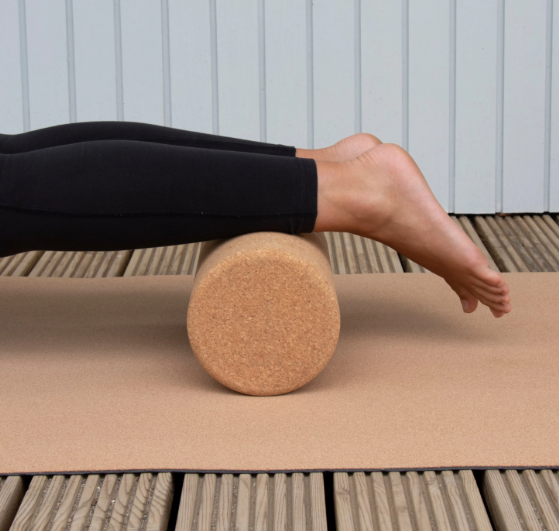
Practical takeaway: Cork wins on sustainability and natural antimicrobial properties. Foam wins on variety — you can find a density and texture for nearly any preference.
Firmness and Pressure: How They Feel in Practice
This is where the cork roller vs foam roller comparison gets really personal.
Cork rollers are noticeably firmer than most foam rollers. The natural density of cork (optimal range for yoga products is 210-240 kg/m³) means you get a more intense, targeted pressure. If you’ve ever used a soft foam roller and thought “this isn’t doing much,” a cork roller will feel like a meaningful upgrade. The firmness allows you to dig into specific trigger points — tight calves, knotted glutes, that stubborn IT band — with precision.
Foam rollers, by contrast, offer a spectrum. A soft PE roller is gentle enough for complete beginners or people recovering from injury. A high-density EVA or EPP roller can be nearly as firm as cork. And textured foam rollers (like the popular grid patterns) mimic the feel of a massage therapist’s fingers, which some users prefer over a smooth surface.
Here’s what the research says about effectiveness: a 2024 study published in Scientific Reports found that foam rolling significantly reduces delayed onset muscle soreness (DOMS) at 24, 48, and 72 hours post-exercise. Crucially, the study noted that rolling for at least 120 seconds per muscle group produced statistically significant results — and that the specific texture and density of the roller mattered less than the duration of use.
In other words: both cork and foam rollers work. The question is which firmness level matches your body’s tolerance and your recovery goals.
| Dimension | Cork Roller | Foam Roller | Recommendation |
| Firmness | Very firm, consistent density | Ranges from soft to very firm | Cork for deep tissue; soft foam for beginners |
| Surface grip | Natural texture, grippy even when sweaty | Can be slippery when wet | Cork for hot yoga or sweaty sessions |
| Pressure control | High — targets specific trigger points | Moderate — broader pressure distribution | Cork for pinpoint work; foam for broad areas |
| Texture options | Typically smooth | Smooth, grid, textured, contoured | Foam for texture variety |
Practical takeaway: If you want deep, targeted pressure and don’t mind some intensity, go cork. If you prefer a gentler entry point or want textured surfaces, foam is your friend.
Related Reading: What Is The Difference Between A Custom Yoga Mat And A Yoga Towel?
Durability and Longevity: Which One Lasts Longer?
Nobody wants to replace their roller every few months. Here’s how the two materials stack up over time.
A high-density EVA or EPP foam roller typically lasts 3 to 5 years of regular use, according to Littleton Physical Therapy’s 2026 roller review. Cheaper polyethylene rollers — the soft white ones — can start denting permanently within 60 to 90 days if you weigh over 180 pounds. That’s a pretty stark difference based on material quality alone.
Cork, by nature, is exceptionally durable. In a biomechanics study referenced by product testing data, high-density cork maintained its dimensional integrity after 500 cycles of 150kg loading. That’s a lot of rolling sessions without any visible compression or structural failure. Cork doesn’t “flatten out” the way foam does — its cellular structure rebounds to its original shape after each use.
The one durability concern with cork is surface wear. Over time, the cork surface can develop a subtle patina — a slight smoothing where you roll most frequently. This doesn’t affect performance but is a cosmetic change some users notice. Foam rollers, on the other hand, can develop permanent dents, cracks, or surface pilling that actually degrade functionality.
| Durability Factor | Cork Roller | Foam Roller |
| Shape retention | Excellent — rebounds after each use | Good for EVA/EPP; poor for PE |
| Surface wear | Develops patina, no functional loss | Can dent, crack, or pill |
| Expected lifespan | 5+ years with proper care | 3-5 years (high-density); 3-6 months (cheap PE) |
| Weight tolerance | Handles heavy loads without compression | Soft foam compresses under 180+ lbs |
Practical takeaway: Cork is the clear winner for long-term durability. If you’re tired of replacing flattened foam rollers, cork pays for itself over time.
Sustainability: The Environmental Conversation
This is where cork pulls ahead decisively.
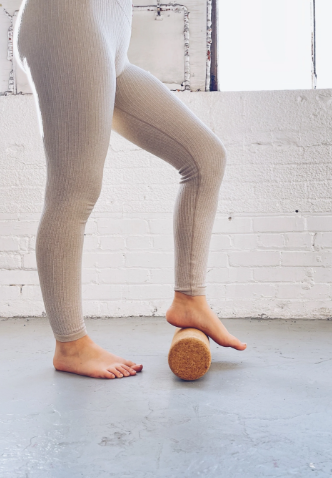
Cork is 100% natural, renewable, recyclable, and biodegradable. The harvesting process doesn’t harm the tree — in fact, it supports one of the world’s most biodiverse ecosystems. Cork oak forests, primarily in Portugal and Spain, are second only to the Amazon rainforest in terms of biodiversity, supporting endangered species like the Iberian lynx. The Forest Stewardship Council (FSC) certifies sustainably harvested cork, ensuring traceability from forest to factory.
Foam rollers, being petroleum-based, carry a different environmental burden. The production of EVA, EPP, and PE foams requires fossil fuels and energy-intensive manufacturing. While some brands are experimenting with recycled foam (like the Ocean Foam Tidal Roller, which uses post-industrial recycled EVA and algae pellets), the majority of foam rollers are not recyclable through standard municipal programs and will persist in landfills for decades.
If you’re someone who factors environmental impact into purchasing decisions — and consumer research suggests that 80% of cork roller buyers and 90% of biodegradable foam roller buyers do — cork is the more responsible choice.
Practical takeaway: Cork is the sustainability champion. No trees cut down, fully biodegradable, carbon-negative during regrowth. Foam has a larger environmental footprint, though recycled options are improving.
Hygiene and Maintenance
Rollers get sweaty. They get dropped on gym floors. They collect dust. So how do cork and foam compare when it comes to keeping things clean?
Cork’s natural suberin content makes it inherently antimicrobial and resistant to mold, mildew, and bacteria. You don’t need harsh chemical cleaners — a wipe with a damp cloth and mild soap is sufficient. Cork is also impermeable to liquids, so sweat doesn’t soak into the material the way it can with porous foam.
Foam rollers, especially open-cell varieties, can absorb sweat and harbor bacteria over time. The cleaning recommendation is to wipe down your foam roller with a mild soap solution or disinfectant wipe after every use, particularly if it’s shared or used directly on the floor. Closed-cell foam (like EPP) is more resistant to moisture absorption than open-cell foam, but still requires regular cleaning.
For shared environments — gyms, yoga studios, physical therapy clinics — cork’s natural hygiene advantage is significant. As we’ve noted in our approach to eco-friendly yoga products, natural materials often outperform synthetic ones when it comes to long-term cleanliness.
Practical takeaway: Cork is naturally hygienic and low-maintenance. Foam requires more diligent cleaning, especially in shared settings.
Price and Value: What You’ll Actually Pay
Let’s talk money. On average, here’s what you can expect to pay at retail:
| Roller Type | Price Range (USD) | Notes |
| Basic PE foam roller | $10-20 | Cheapest but least durable |
| EVA/EPP foam roller | $20-45 | Good balance of price and quality |
| Premium foam roller (textured/vibrating) | $45-200 | Vibration adds 3-4x the price |
| Cork roller | $25-60 | More expensive but longer-lasting |
Cork rollers cost more upfront — typically 20-40% more than a comparable EVA foam roller. But when you factor in longevity, the cost-per-use calculation shifts. A cork roller that lasts 5+ years at 40 averages out to about 8 per year. A cheap PE foam roller at 15 that needs replacing every 6 months costs 30 per year.
For bulk buyers — yoga studio owners, gym managers, or fitness brands sourcing equipment — the long-term value calculation is even more significant. When you’re outfitting a studio or placing a bulk order for your fitness brand, factoring in replacement cycles and durability can dramatically affect your total cost of ownership. Many foam roller manufacturers offer custom branding and wholesale pricing for both cork and foam rollers, so the per-unit cost at scale can be quite competitive.
Practical takeaway: Cork costs more upfront but offers better long-term value. For budget-conscious beginners, a quality EVA foam roller is a solid starting point.
Which Roller Suits You? A Decision Matrix
Let’s make this actionable. Here’s a quick-reference guide based on who you are and what you need:
| If You Are… | Recommended Roller | Why |
| Beginner to foam rolling | Soft-to-medium foam roller | Gentler introduction; lower intensity |
| Athlete needing deep tissue release | Cork roller | Firm, targeted pressure for trigger points |
| Hot yoga practitioner | Cork roller | Grip improves with moisture; antimicrobial |
| Eco-conscious consumer | Cork roller | Renewable, biodegradable, carbon-negative |
| Budget-limited buyer | EVA foam roller ($20-30 range) | Good performance at accessible price |
| Studio/gym owner (B2B) | Cork rollers for longevity; foam for variety | Cork reduces replacement costs; foam offers texture options |
| Physical therapy patient | Medium-density foam roller | Controlled pressure; widely recommended by PTs |
| Travel-focused athlete | EPP foam roller | Lightweight and portable |
How to Use Your Roller Effectively
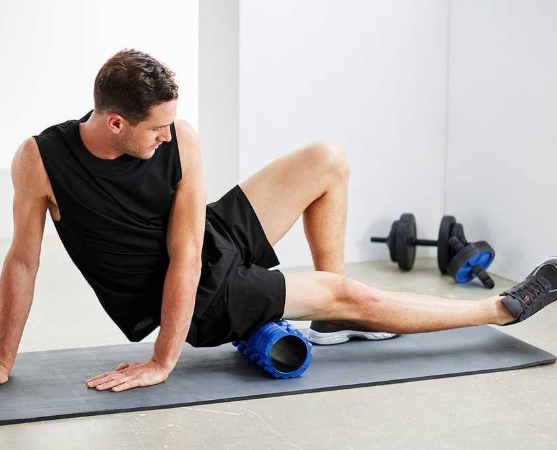
Regardless of which material you choose, the research is clear on technique. The 2024 Scientific Reports study found that rolling for at least 120 seconds per muscle group produces statistically significant recovery benefits. Shorter sessions (under 2 minutes) showed less consistent results.
Here’s a simple protocol that works for both cork and foam rollers:
- Pick one area — calves, quads, glutes, upper back, or lats
- Roll slowly for 30-60 seconds, letting the muscle relax around the pressure
- Pause on tender spots for 10-20 seconds and breathe deeply
- Keep pressure at a “good hurt” — about 5-7 out of 10. Sharp pain means back off
- Aim for 3-8 minutes total, especially on training days or after long periods of sitting
Avoid aggressive rolling directly on your lower back or on joints and bones. If you’re dealing with acute inflammation or a fresh injury, consult a physical therapist before rolling.
B2B Considerations: Sourcing Rollers for Your Brand
If you’re a fitness brand owner, studio operator, or procurement manager reading this, your considerations extend beyond personal preference. Here’s what to think about when sourcing rollers at scale:
Material certification matters. Look for foam roller suppliers who can provide REACH, RoHS, and OEKO-TEX certifications for foam rollers, and FSC or PEFC certification for cork products. These aren’t just checkboxes — they’re increasingly required by major retailers and platforms.
Custom branding options. Both cork and foam rollers support custom logo printing, laser engraving, and private label development. Cork’s natural surface takes laser engraving beautifully, creating a premium aesthetic that resonates with eco-conscious consumers.
Commercial use durability. For yoga studio equipment or gym facilities, cork’s superior longevity translates directly to lower replacement costs. A studio that replaces foam rollers every 18 months could cut replacement frequency in half by switching to cork — a meaningful saving at scale.
MOQ and lead times. When sourcing from a manufacturer, ask about minimum order quantities, sample lead times, and production capacity. At FDM Yoga, for example, we support low MOQs and offer 7-14 day fast proofing for custom designs, making it easier for emerging brands to test products before committing to large runs.
Frequently Asked Questions
Is a cork roller better than a foam roller?
It depends on your needs. Cork rollers are firmer, more durable, more sustainable, and naturally antimicrobial. Foam rollers offer more variety in density and texture, and are generally more affordable upfront. If you want deep tissue pressure and eco-friendly materials, cork is better. If you’re a beginner or want a gentler experience, foam is the safer choice.
Can beginners use a cork roller?
Yes, but with caution. Cork’s firmness can be intense for someone new to self-myofascial release. If you’re just starting out, consider beginning with a medium-density foam roller and transitioning to cork once your body adapts to the pressure. You can also control intensity by adjusting how much body weight you place on the roller.
How long do cork rollers last?
With proper care, a high-quality cork roller can last 5+ years. Cork’s cellular structure rebounds after each use, so it doesn’t develop permanent dents the way foam can. The surface may develop a subtle patina over time, but this doesn’t affect functionality.
Are cork rollers good for back pain?
Cork rollers can be effective for upper back (thoracic spine) tension relief. However, avoid aggressive rolling directly on your lower back. If you have chronic back pain, consult a physical therapist to develop a safe rolling protocol. A systematic review published in the Journal of Bodywork and Movement Therapies confirmed that SMR techniques can alleviate muscle soreness and improve range of motion.
Can I clean a cork roller with disinfectant?
Cork is naturally antimicrobial, so you don’t need harsh chemicals. A damp cloth with mild soap is sufficient. Avoid soaking the roller or using abrasive cleaners, as these can dry out the natural material over time.
Summary
There’s no universal winner in the cork roller vs foam roller debate — there’s just the right tool for your body, your practice, and your values.
Choose cork if you want firm, targeted pressure, natural antimicrobial properties, superior durability, and a sustainable material that won’t end up in a landfill. It’s the investment pick — more expensive upfront, but it’ll outlast multiple foam rollers.
Choose foam if you’re budget-conscious, want density and texture options, are new to rolling, or need a lightweight travel companion. A quality EVA or EPP foam roller delivers excellent performance at an accessible price point.
The most important thing isn’t which roller you buy — it’s that you actually use it. The research is clear: consistent rolling for 120+ seconds per muscle group reduces soreness, improves flexibility, and supports recovery. So pick the tool that feels right, and start rolling.